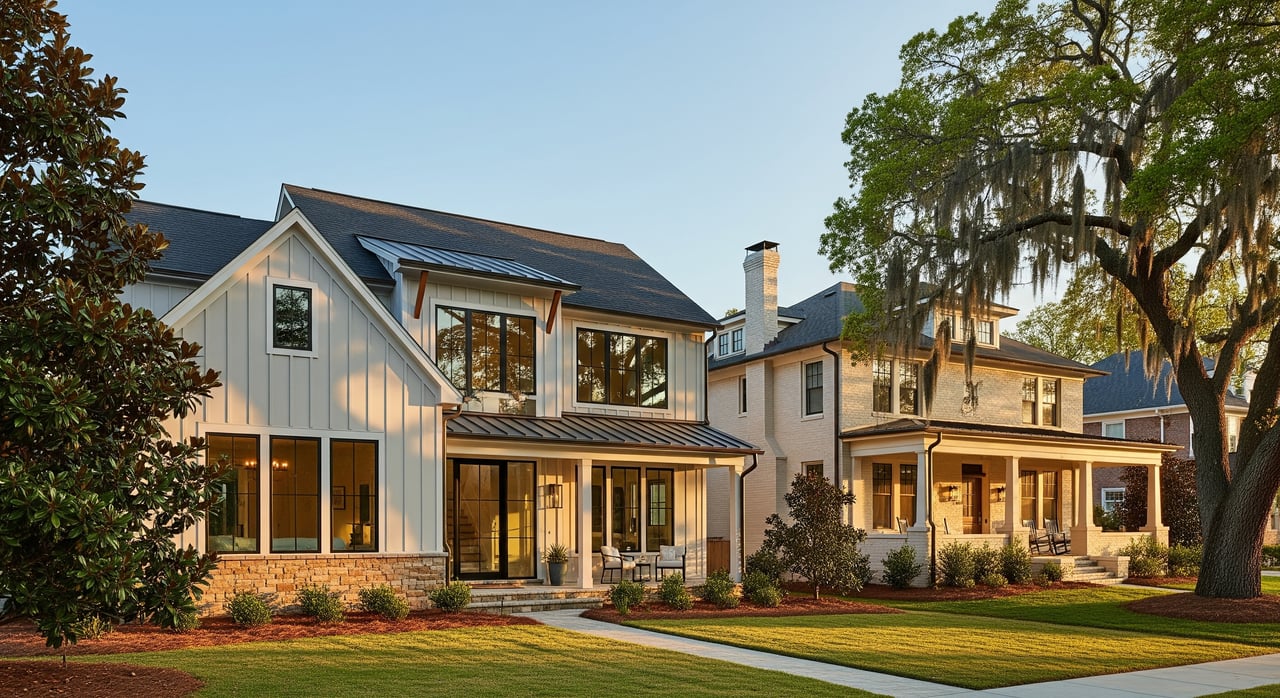
Wondering whether a brand-new build or a well-kept resale gives you more value in Denver, North Carolina on Lake Norman’s west side? You have great options here, but the right path depends on timing, risk tolerance, and lifestyle goals. In this guide, you’ll learn the real tradeoffs around timelines, warranties, inspections, incentives, and location so you can decide with confidence. Let’s dive in.
New construction vs resale at a glance
Buying new construction gives you modern systems, a clean maintenance slate, and builder warranties. You’ll often choose finishes and get a predictable condition at move-in. The tradeoff is a multi-month build schedule and potential delays that come with permits, weather, and supply chains.
Resale homes offer quicker occupancy and built-in character, and many have established landscaping or existing lake access. You may face more due diligence to uncover deferred maintenance. Negotiation is often more flexible with individual sellers, especially around repairs, timing, and credits.
Location still drives price on both sides. Waterfront, lakeview, and dock-enabled properties carry premiums whether new or resale. In certain west-Lake Norman pockets, larger mature lots are more common in older resales, while newer subdivisions may offer smaller lots balanced by amenities.
Timelines you can expect
New construction
- Pre-contract and lot selection: days to weeks to choose a lot and options; lot premiums may apply.
- Contract to permit: 2 to 8+ weeks depending on HOA architectural review, county permits, and builder backlog.
- Construction: roughly 4 to 12+ months, shorter for spec homes and longer for custom builds. Weather, grading, utility connections, and labor availability all matter.
- Final inspections and closing: municipal inspections, punch list, then closing. Many warranties start at closing or occupancy.
Buyer tip: Ask for a written schedule with milestones like foundation, framing, rough-ins, drywall, and finishes. Request buffer allowances for delays in writing.
Resale
- Contract to close: commonly 30 to 45 days with standard financing. It can be shorter or longer based on underwriting, title work, inspection repairs, and appraisal.
- Faster occupancy is possible, but you still need time to complete inspections and negotiate repairs or credits.
What can delay a new build here
- HOA architectural approvals and county permitting.
- Weather impacts, especially rain and soil saturation in winter and spring.
- Utility connections, including sewer availability, or well and septic permits.
- Custom change orders and subcontractor scheduling.
Warranties, inspections, and due diligence
Builder warranties
Many builders use a layered warranty model often described as “1-2-10.” That typically means 1 year for workmanship and materials, 2 years for major mechanical systems, and 10 years for structural coverage. Ask for the actual warranty document, what is excluded, and whether a third party backs it.
Clarify whether coverage is contractual or statutory, how the claim process works, and when the warranty starts. Confirm if the warranty is transferable if you sell within the term.
New construction inspections
Municipal inspections check code compliance at key stages but are not a substitute for your own inspector. Hire an independent home inspector experienced with new builds and schedule a pre-drywall inspection and a final inspection. Consider specialty pros if needed, such as a structural engineer or HVAC specialist.
Resale inspections
Order a full home inspection and add specialty inspections as indicated by age and condition. In this area, septic inspections and sewer scopes are common, and radon or mold testing may be prudent based on the home. For waterfront homes, evaluate dock condition, shoreline erosion, flood elevation, and seawall integrity if present.
Local due diligence items
- Flood risk: Review local floodplain designations. Proximity to the lake can affect insurance and lending requirements even if the home is not shown in a FEMA floodplain.
- Utilities: Confirm whether the property uses county water and sewer, a community system, or well and septic. Septic systems have permits and maintenance records you should review.
- Docks and shoreline: Verify legal dock rights and any required permits. Check HOA rules, deed restrictions, and setback requirements before assuming future changes are allowed.
- HOA and CC&Rs: Understand rules on boats, exterior changes, rental restrictions, and community amenities.
Incentives and negotiation: where value hides
Builder incentives
Builders often offer closing cost assistance, mortgage rate buydowns, upgrade packages, lot-premium discounts, price reductions on spec homes, and sometimes added landscaping. Incentives vary by inventory and season.
You usually get the most leverage on spec homes or quick-move-in inventory, model homes, and end-of-quarter or end-of-year closings. Lots with less desirable orientation or smaller yards may carry lower premiums or incentives.
Builders are typically least flexible on fully custom builds, during high-demand cycles, and on premium waterfront lots.
Resale negotiation dynamics
With resales, you can negotiate price, repair credits, closing timelines, and included items like appliances. Your leverage depends on market conditions. In competitive cycles, expect multiple offers and fewer concessions; in slower cycles, sellers may accept price reductions or closing credits.
Location and lifestyle tradeoffs in Denver
- Lake proximity vs lot size: Direct lake access often means higher price per footprint and a smaller buildable area. Homes set back from the water can offer larger yards and more privacy at lower cost.
- Amenities vs privacy: Newer subdivisions may include community docks, trails, marinas, and pools. Older resales can offer larger lots or private docks, though shared amenities may be limited.
- Commute and services: Denver sits in Lincoln County with access to the Charlotte metro via US-16. Consider commute times to Charlotte, Huntersville, or Mooresville, and verify school assignments through Lincoln County Schools.
- Maintenance profile: Resales may come with mature trees and finished outdoor spaces but can need near-term updates to roofs, HVAC, or septic. New builds reduce early maintenance yet often require time and budget for landscaping establishment, fencing, and window coverings.
What “turnkey” really means here
New construction is rarely fully turnkey. Items like mature landscaping, privacy trees, driveway finishes, fencing, patios, decks, window coverings, built-in closet systems, and even garage door openers can be options rather than standard inclusions. Docks and access structures are separate permits and budgets.
Resales often include established landscaping and finished outdoor living but could come with upcoming maintenance. Factor short-term replacement timelines into your budget.
Taxes, HOA fees, and insurance
New homes may have lower initial assessments if county tax assessments lag completion. Ask the Lincoln County tax assessor what to expect for your specific property. HOA dues vary widely, especially in waterfront or amenity-rich communities, so review budgets, reserves, and any special assessment history.
Insurance can be higher for waterfront homes and may include flood insurance requirements depending on risk. Verify premiums with a local insurer and confirm whether your lender needs additional coverage.
Financing and timing tips
New construction may involve construction-to-permanent loans or builder-offered lender programs. These can include rate locks and lender credits, but you should compare terms with an independent lender. Ask whether using a preferred lender or title company is required for incentives and confirm rate lock timelines that match the build schedule.
For resales, a standard mortgage process is common. Get pre-approved before shopping so you can move quickly on the right home.
A practical side-by-side checklist
- Verify lot-specific items: flood zone status, shoreline access, riparian rights, setbacks, and dock rules.
- Confirm utilities: county water and sewer, or well and septic. Pull septic permits and maintenance records if applicable.
- New construction: request the full warranty document; ask for a sample claim process and response timelines.
- Inspections: schedule pre-drywall and final inspections for new builds; order full home and specialty inspections for resales as needed.
- Builder schedule: get milestone dates in writing along with remedies for delays and how punch list items are handled.
- Compare total out-the-door costs: upgrades, lot premiums, landscaping, driveways, fences, patios, HOA dues, taxes, and insurance.
- Resales: confirm dock and shoreline condition, inspect major systems, and estimate near-term replacements.
- Market context: review recent comparable sales for both new and resale homes to calibrate value before making offers.
How to choose what delivers value
Start with timing. If you need to move within 30 to 60 days, a resale is usually the better fit. If you can wait and want modern systems with warranty coverage, new construction can deliver long-term peace of mind.
Then look at location and lifestyle. If a private dock or a larger mature lot is a top priority, many buyers find better options among resales. If community amenities and energy-efficient systems matter most, new subdivisions may be ideal.
Finally, run the full cost picture. Price the upgrades, landscaping, insurance, taxes, and HOA dues for each option. A well-negotiated spec home with incentives can rival or beat a resale on net cost, while a well-maintained resale may save you months of build time and landscaping work.
Work with a process-driven local advisor
Whether you build or buy, you deserve a clear, data-informed plan and tight execution. From builder contracts and warranty reviews to inspection strategies and resale negotiations, you want a partner who tracks every detail and keeps your goals front and center.
If you’re comparing new construction and resale options around Denver and Lake Norman, reach out to Andy Nock for a focused consultation and a step-by-step plan.
FAQs
How long does new construction take in Denver, NC?
- Many builds range from about 4 to 12+ months after permits, with added time for approvals, utilities, weather, and any custom changes.
What is a typical builder warranty for Lake Norman homes?
- Many builders use a “1-2-10” model with 1 year for workmanship, 2 for systems, and 10 for structural coverage, but always verify the exact document.
Do I still need an inspection on a new home?
- Yes, hire an independent inspector for a pre-drywall review and a final inspection, since municipal checks only verify code compliance.
What should I check for a waterfront resale property?
- Inspect dock condition, shoreline erosion, flood elevation, and any seawall, and verify legal dock rights and rules before closing.
Are taxes and HOA dues different for new vs resale homes?
- New homes may have lower initial assessments if tax records lag; HOA dues vary by community, so review budgets, reserves, and any assessments.
Can builders offer rate buydowns or closing credits?
- Yes, builder incentives often include rate buydowns, closing-cost help, or upgrade packages, with the most leverage on spec or soon-to-close homes.